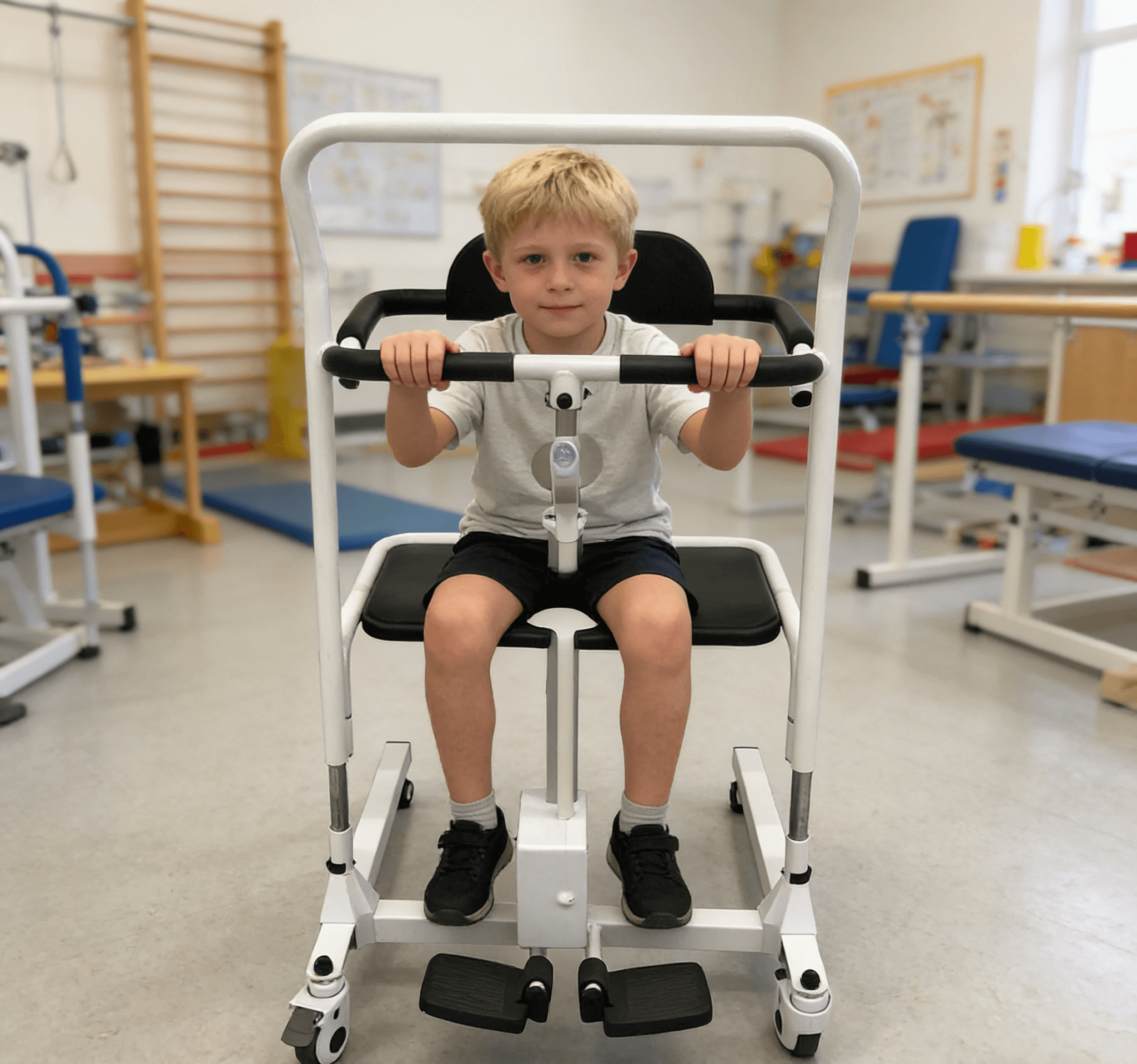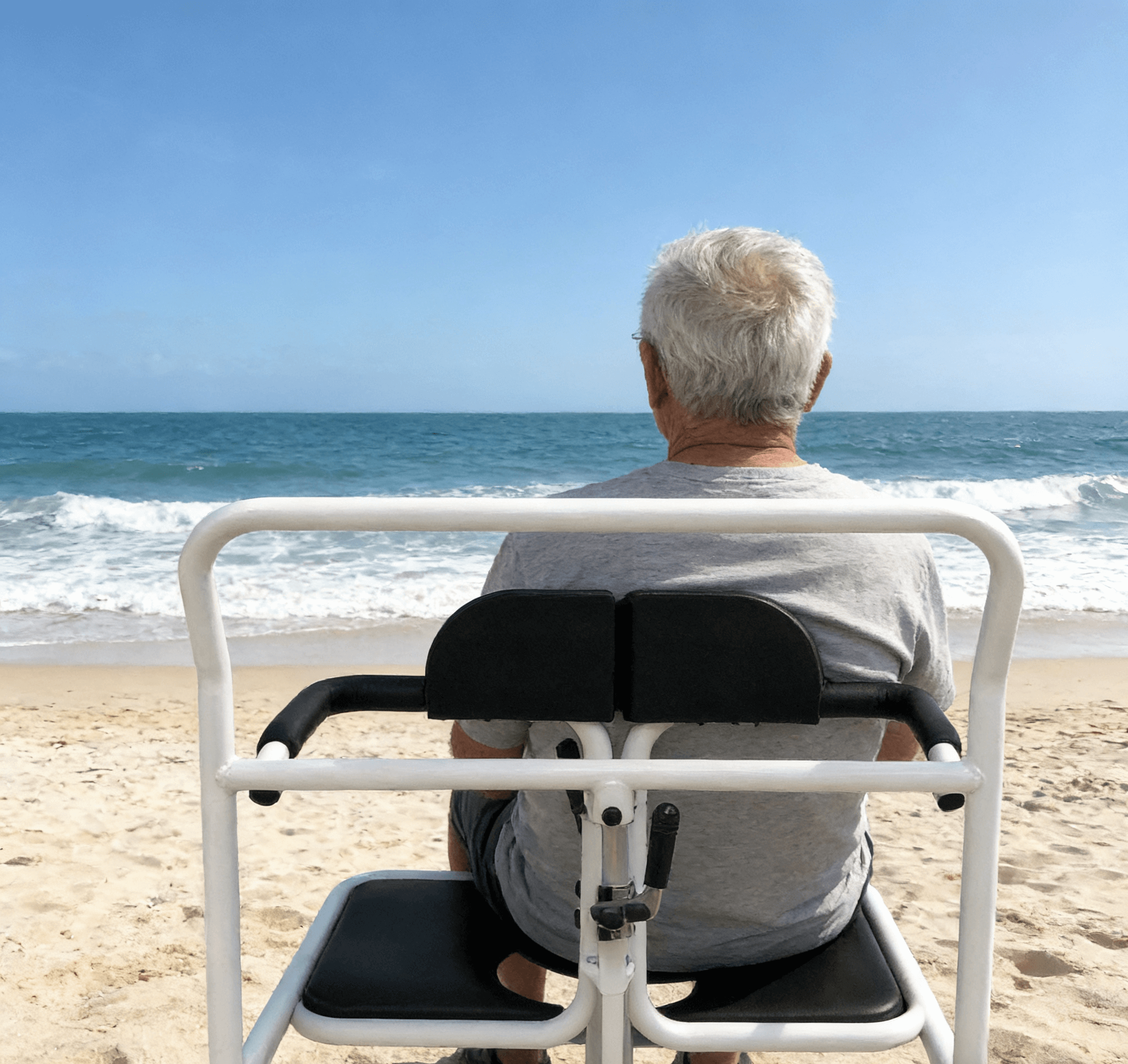
Category: Power Wheelchair
Posted by 2025-12-11 11:12
hoyer lift and gait belt
Hoyer Lift and Gait Belt: Not Replacements, but Different Pillars on the Care Spectrum
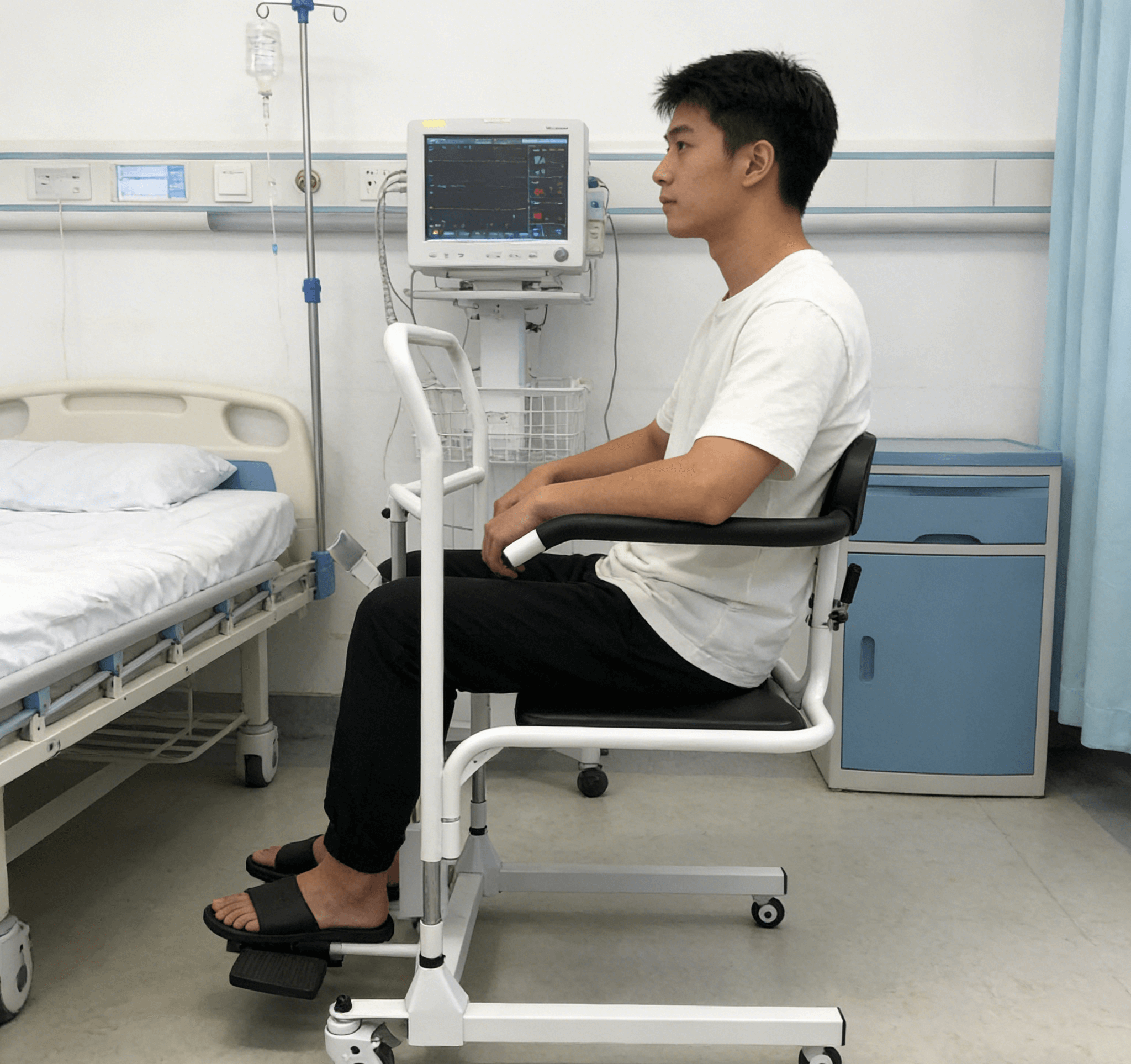
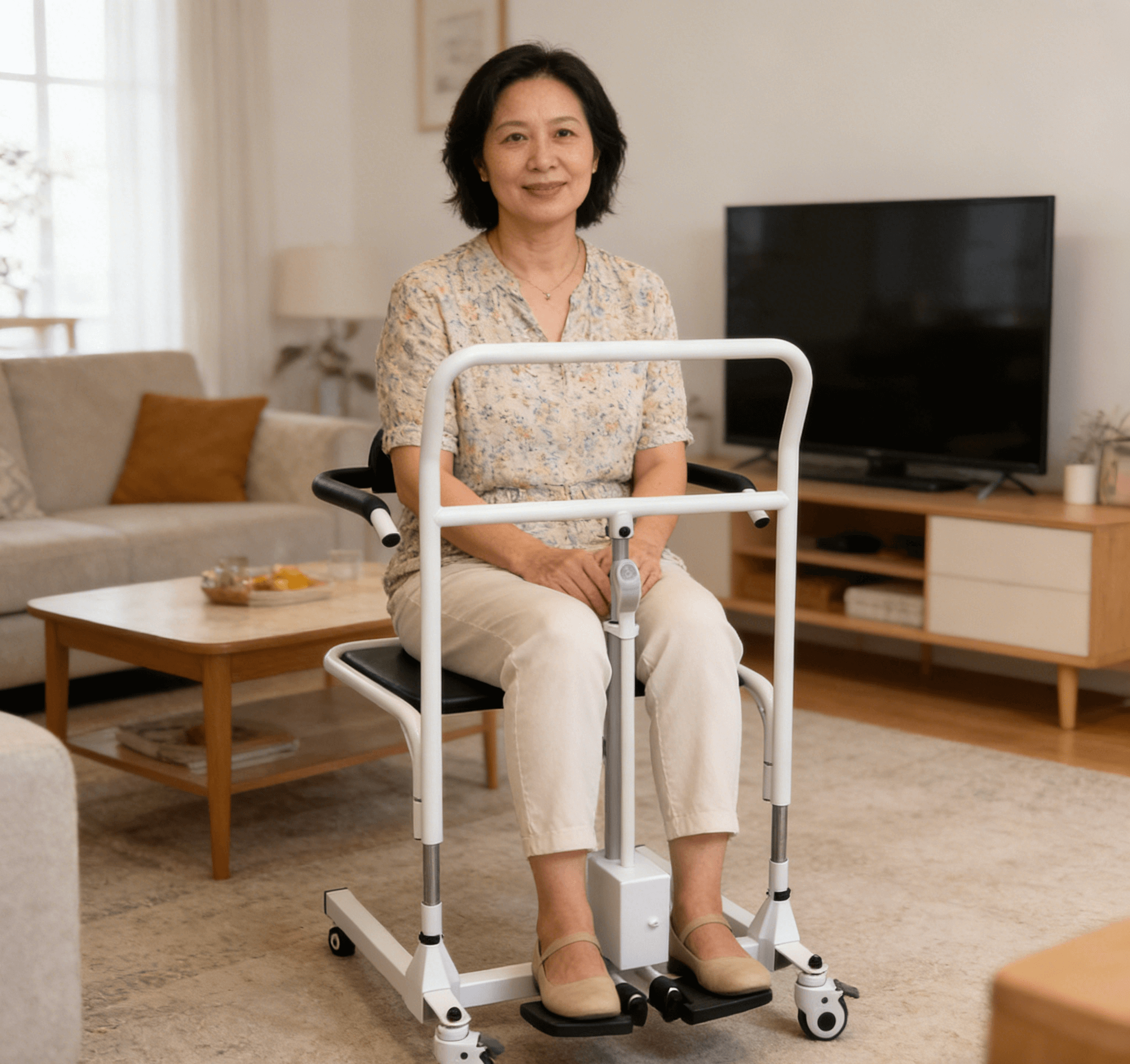
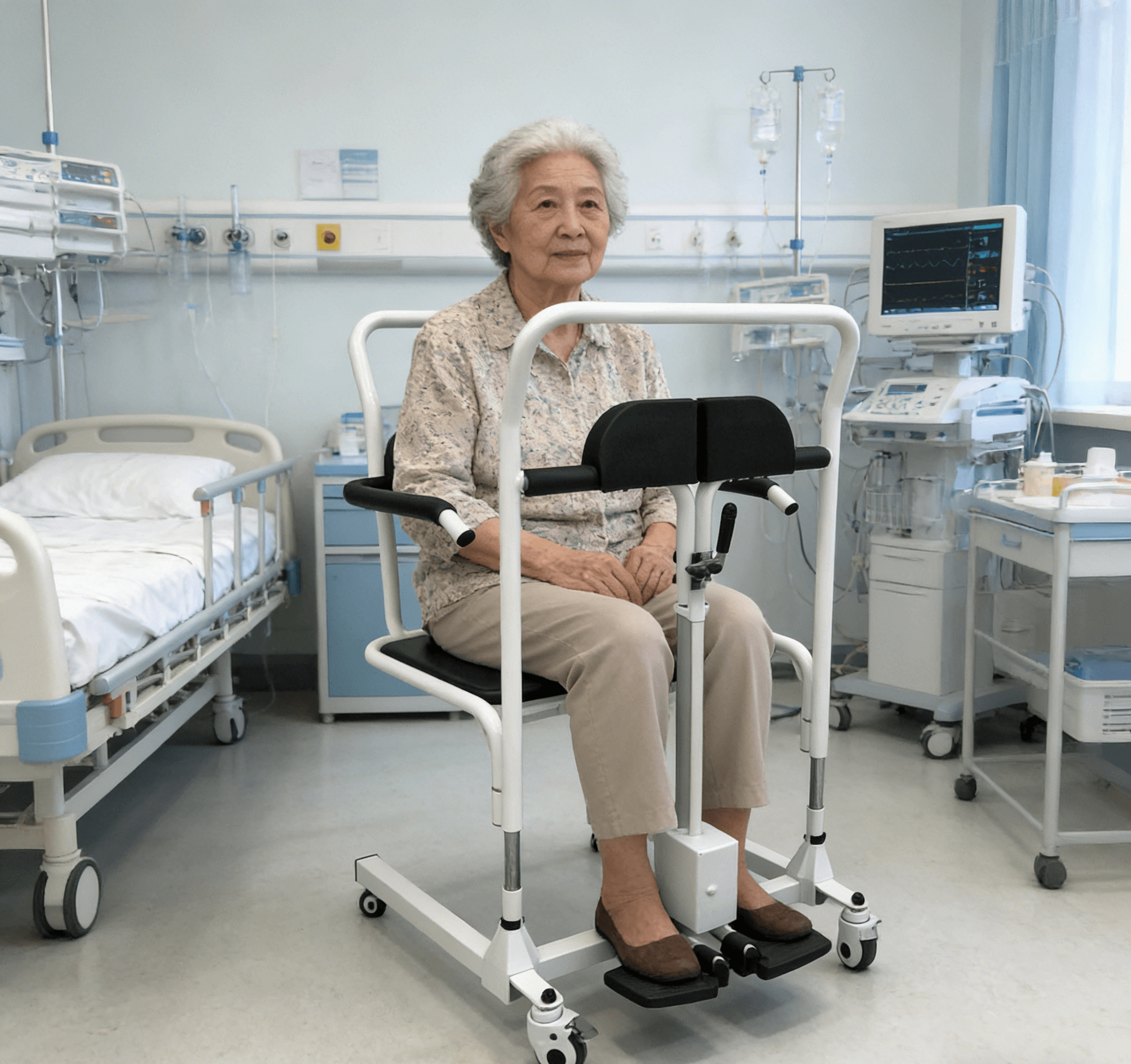
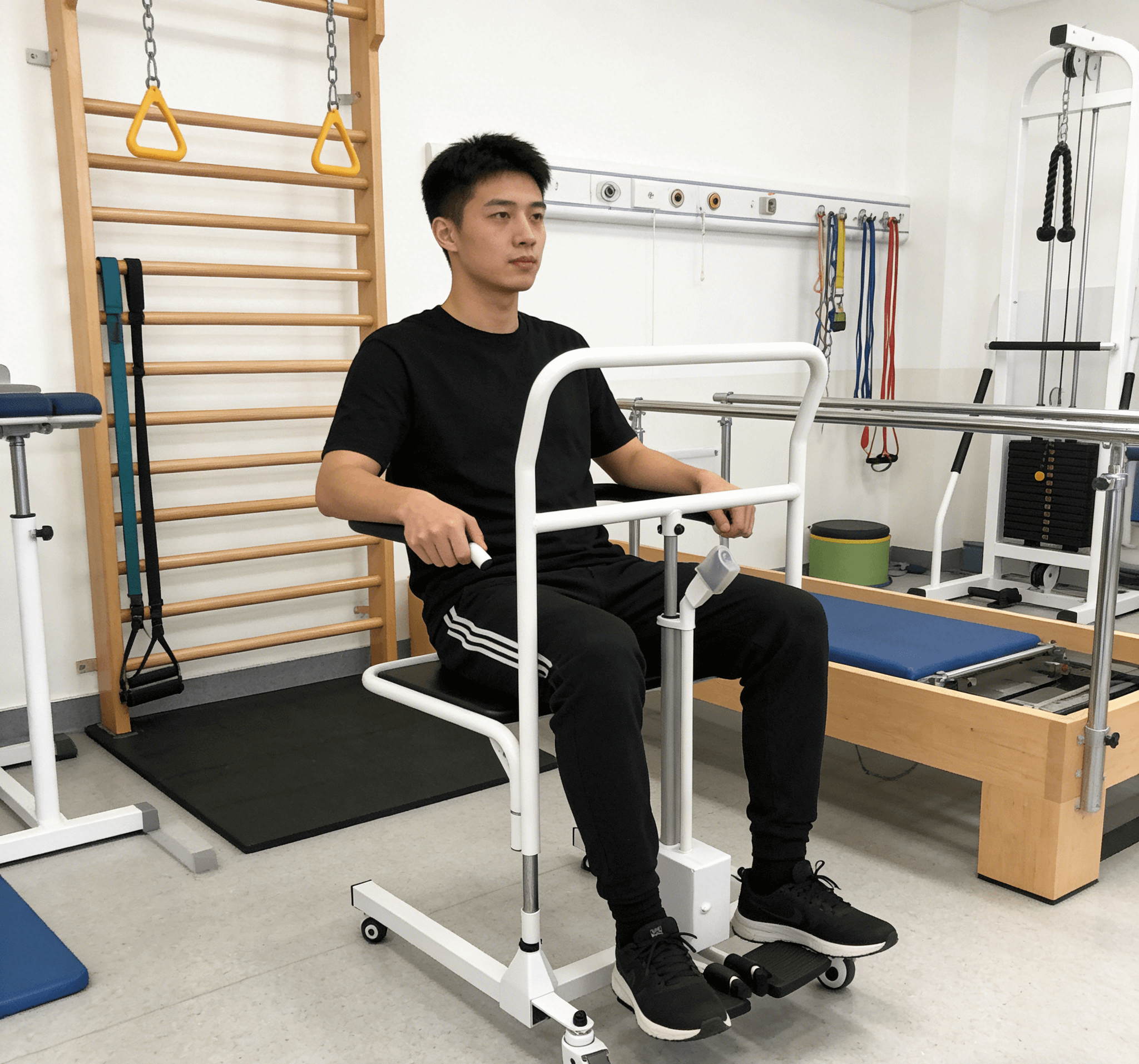
When assisting individuals with limited mobility to move, many caregivers often encounter two common tool names: the Hoyer Lift and the Gait Belt. Some mistakenly believe they have similar functions and can replace each other; others are confused: "Since there are electric transfer lifts, why still use a cloth belt?"
In fact, these two tools serve completely different levels of patient ability and represent key nodes on the continuum of "full dependence → partial assistance → independent walking" in modern care. Only by correctly understanding their positions can caregivers choose the right tool at the right time, ensuring both safety and promotion of rehabilitation.
This article will clearly explain the essential differences, usage boundaries, and collaborative value of the two tools for you.
I. Hoyer Lift: Providing Full Support for "Non-Weight-Bearing Patients"
Core Positioning
Suitable for patients who are completely unable to stand or bear weight, such as those with:
Paraplegia caused by spinal cord injury;
Quadriplegia after severe stroke;
Early post-hip replacement period (weight-bearing prohibited by medical advice);
Elderly individuals with advanced disability.
Working Principle
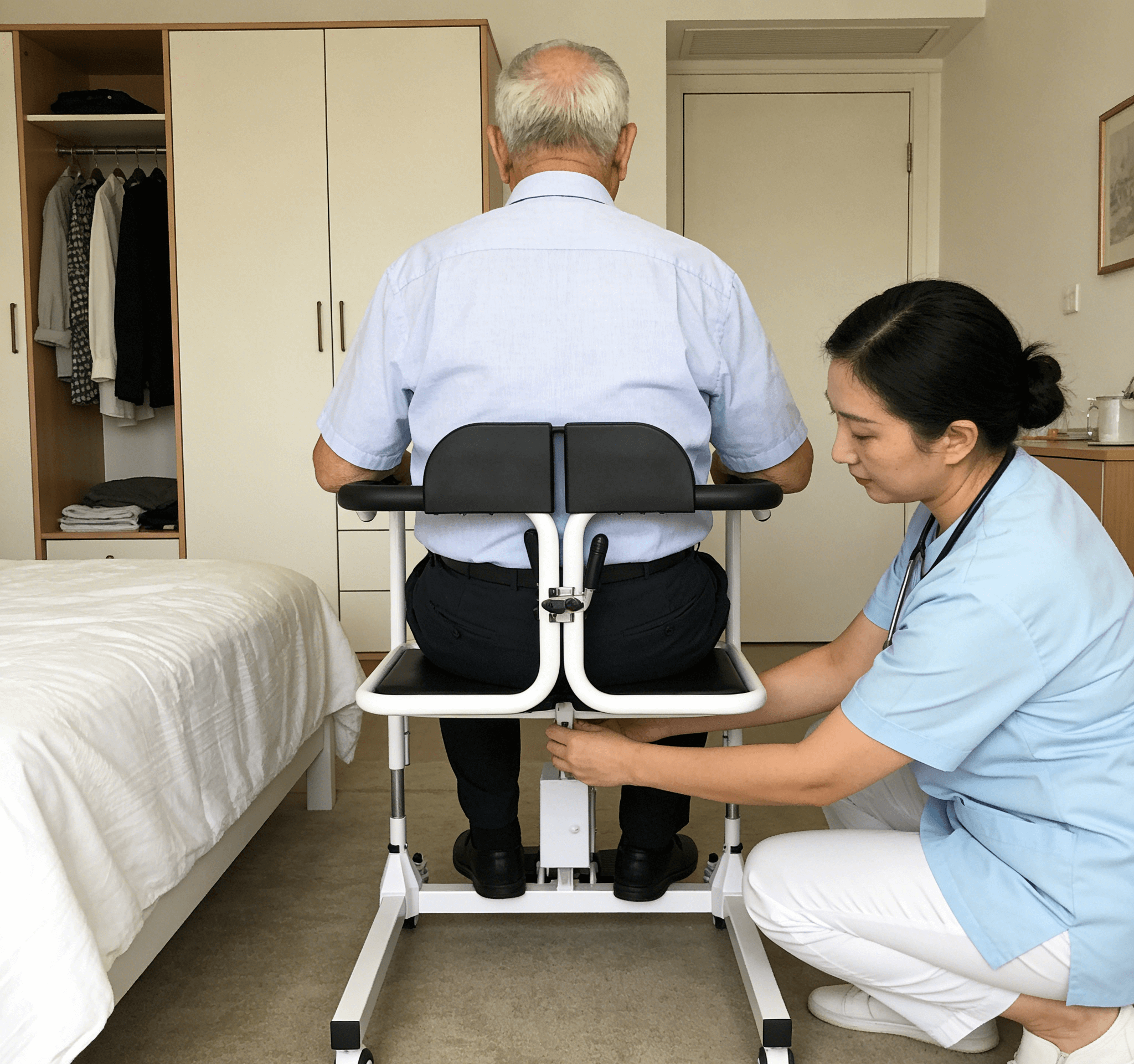
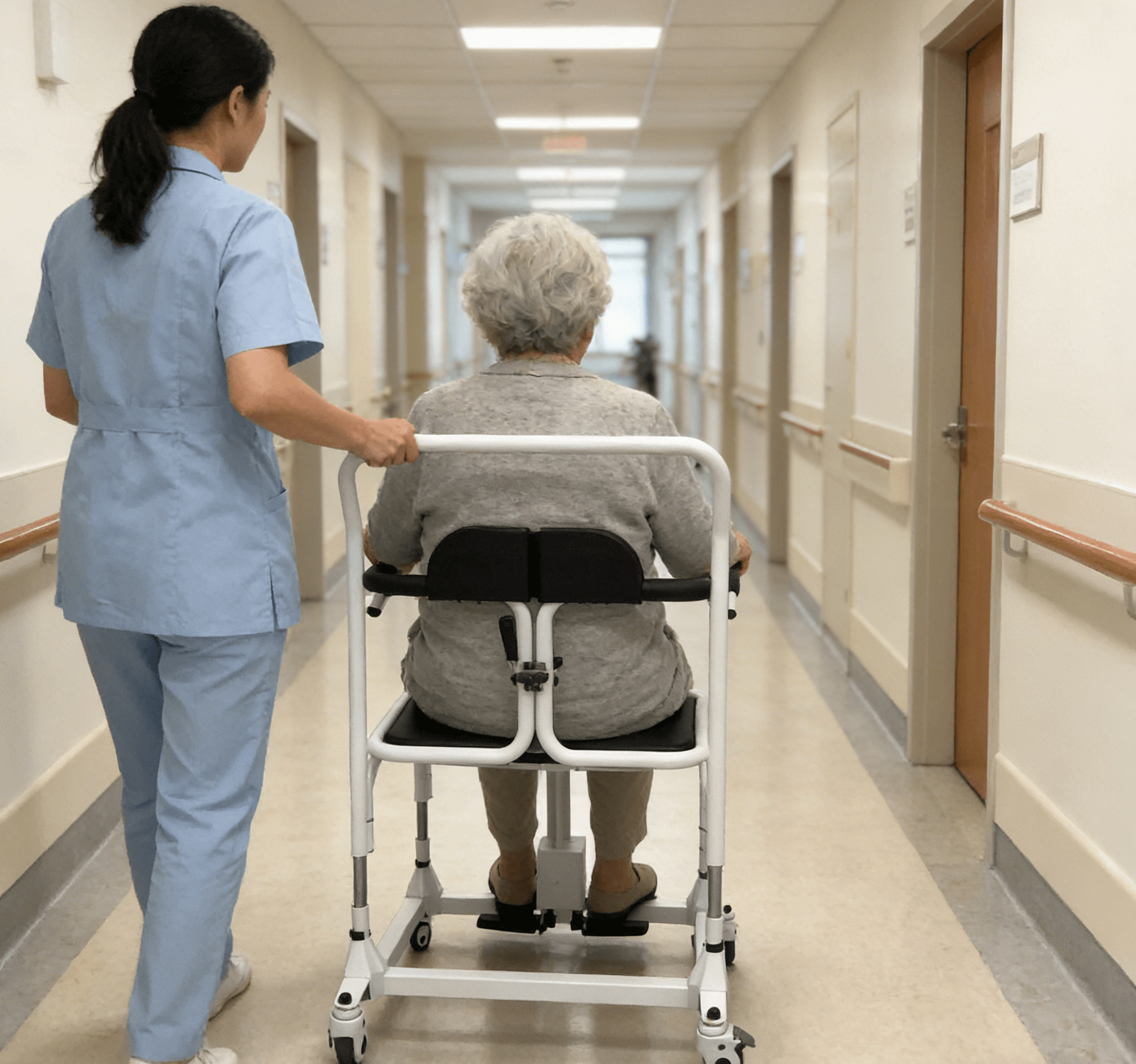
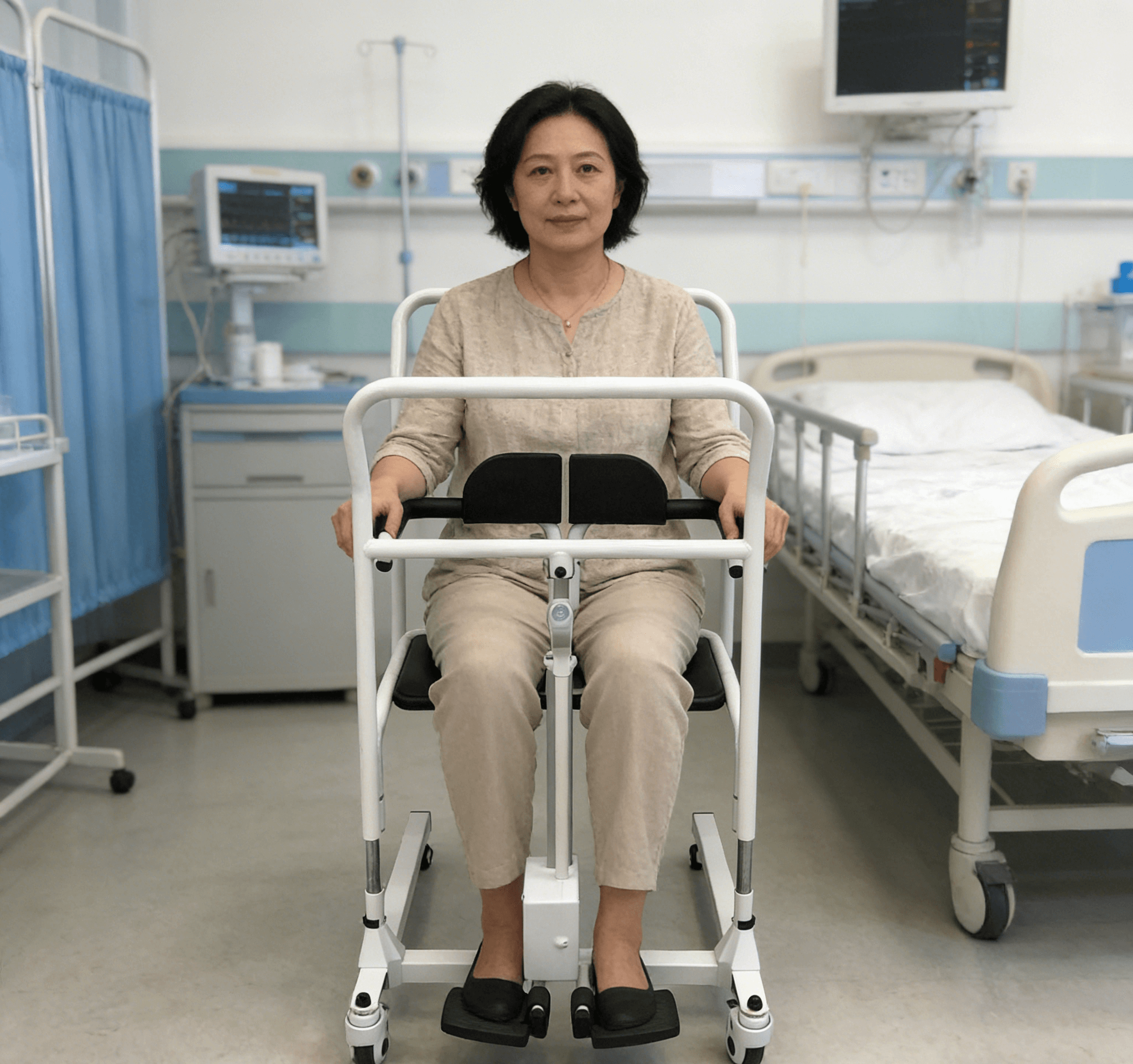
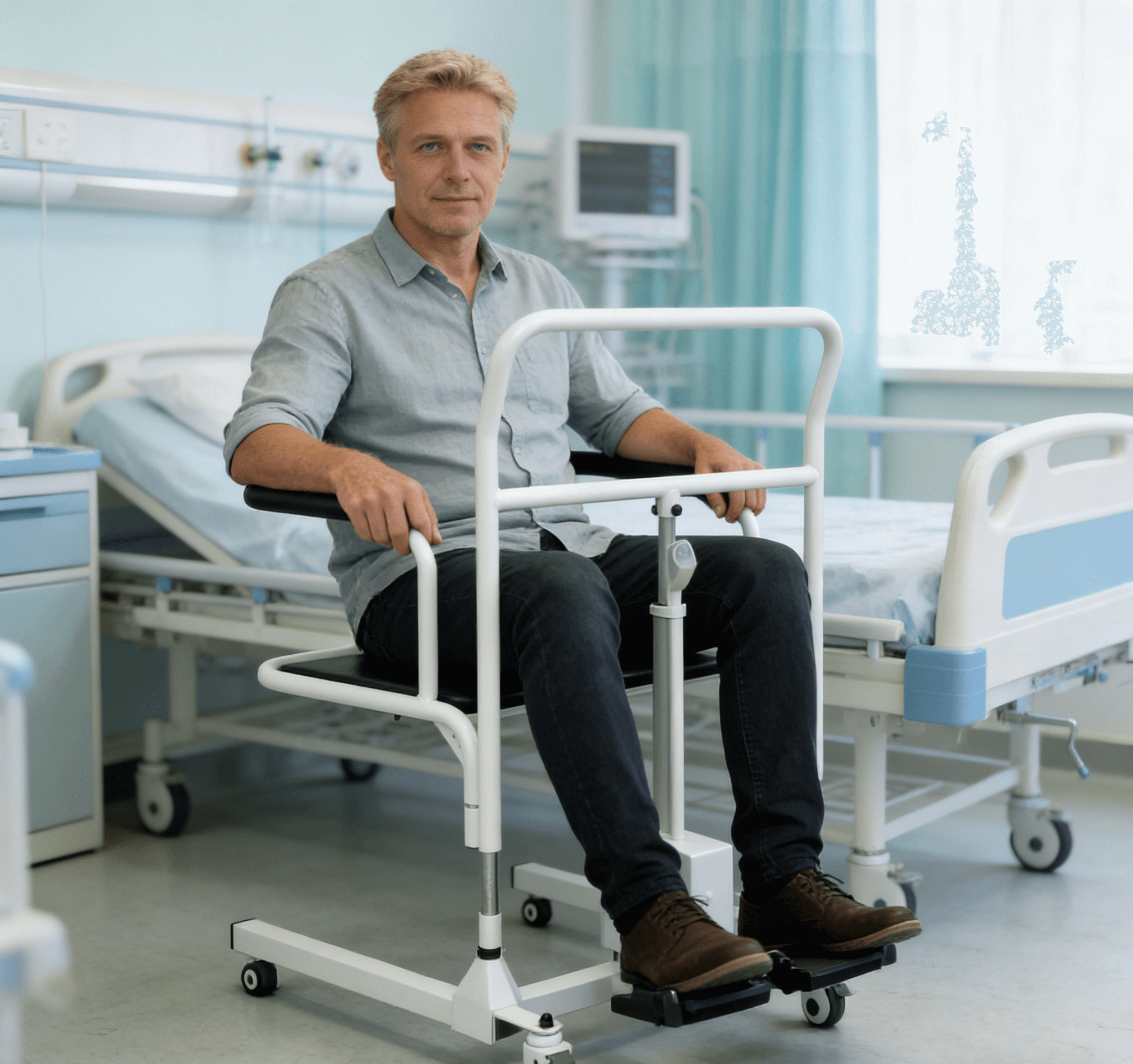
Equipped with a dedicated sling, it uses an electric or hydraulic system to vertically lift the patient as a whole and transfer them horizontally. The patient does not need to exert any force throughout the process. Caregivers only need to operate the control handle and do not bear any of the patient’s body weight.
Key Value
Eliminates manual lifting, completely preventing low back injuries in caregivers;
Enables friction-free transfer, avoiding skin shear injuries;
Supports transfers across multiple scenarios, such as bed ↔ wheelchair ↔ toilet ↔ shower chair.
✅ Essence: Replaces manual labor to achieve passive transfer.
II. Gait Belt: Providing Auxiliary Support for "Partially Weight-Bearing Patients"
Core Positioning
Suitable for patients who have a certain ability to stand and maintain balance but need fall prevention support, such as those with:
Mild post-stroke sequelae;
Unsteady gait due to Parkinson’s disease;
Postoperative recovery period (able to bear weight but prone to fatigue);
Age-related balance disorders.
Working Principle
A nylon or canvas belt approximately 5–10 cm wide is wrapped around the patient’s waist and fastened securely. While the patient walks or stands independently, the caregiver holds the belt with one hand and supports the patient’s shoulder with the other, providing:
Center of gravity stabilization: Preventing forward or sideways falls;
Emergency braking: Quickly holding the patient if they slip;
Direction guidance: Gently prompting turns or stops.
Key Value
Preserves the patient’s initiative and encourages muscle engagement;
Low-cost, portable, and ready for immediate use;
A commonly used auxiliary tool for gait training in physical therapy.
✅ Essence: Enhances control to support active movement.
III. Core Differences: Patient Ability Determines the Tool
Dimension Hoyer Lift Gait Belt
Patient Ability Requirement Completely unable to stand/bear weight Able to stand and partially bear weight
Caregiver Effort Level Almost no effort (only operates the device) Needs to stay alert and ready to support at any time
Transfer Nature Passive transfer Active walking assistance
Rehabilitation Goal Maintain safety and prevent complications Promote functional recovery and improve independence
Equipment Cost Relatively high (¥3,000–¥10,000+) Extremely low (¥50–¥200)